Animal Talk Practitoner Program
Is Animal Communication Real?
Intuitive Connection - Deeper Understanding - Stronger Bonds
How It Works - Step By Step
Connect- Listen - Understand - Support
Alongside Vets & Animal Care
Trust- Care - Ethics - Support
Do You Need A Natural Gift?
Intuition - Awakening - Learning
Can This Become a Real Business?
Earn Between $200-$400/Hour
Will It Work For Me?
Trust - Guidance - Never Alone
Inside The 12-Month Program
Guidance - Connection - Transformation
What Do Our Certified Practitioners Have To Say?
Dana Saidi
Roslyn Grewar
Frequently Asked Questions
About Animal Communication
Question 1: Is talking to animals actually real, or is this just belief-based?
Animal communication is both telepathic and intuitive.Intuition itself has a scientific basis — we know the mind and body can process information beneath conscious awareness. Telepathy has also been explored by researchers such as Dr Rupert Sheldrake, particularly in the relationship between animals and their people. It is the ability to connect with animals beyond spoken language and receive information through feelings, images, words, emotions, sensations, or a clear inner knowing.
But more importantly, we are teaching you how to reawaken and strengthen a natural ability through practice, structure, feedback, and real experience.
Many people who come to this work have already felt a deep connection with animals for much of their lives. This program helps you understand that connection, develop it properly, and learn how to use it with confidence, structure, and integrity.
Question 2: How does animal communication actually work step by step?
You learn to quiet your mind, open your heart, connect respectfully with the animal, ask clear questions, receive information, and then understand what is coming through.
The information may come through as images, words, emotions, body sensations, memories, or intuitive impressions. With training and practice, you learn how to recognise your own way of receiving and how to communicate the information clearly and responsibly.
Question 3: Can anyone learn this, or do you need a natural gift?
You do not need to arrive already feeling gifted.
Many people are more intuitive than they realise, especially people who feel deeply connected to animals. Animal communication is a skill that can be developed with guidance, practice, feedback, and support.
You do not need to have it all figured out before you begin. You simply need to feel the calling, stay open to the process, and be willing to learn step by step.
Question 4: How long does it take before I can do this properly?
Everyone develops at a different pace.
Some people begin receiving information quite quickly. Others need more time to trust themselves and understand how their intuition works.
That is why the Animal Talk Practitioner Program is a 12-15 month journey. It gives you time to practise, receive feedback, develop confidence, complete case studies, and grow into the work properly rather than rushing the process.
Question 5: What kind of results do people actually get with animals?
Animal communication can help people understand their animals more deeply.
It can bring insight into emotions, behaviour, stress, fear, preferences, past experiences, changes in the home, illness, ageing, grief, and end-of-life transitions.
One of the greatest gifts is that it helps take away the guesswork. Animals are often voiceless in the human world, and animal communication gives them a way to be heard.
The goal is not only to receive messages. It is to create more understanding, connection, comfort, and practical support for both the animal and their person.
About Making It a Business
Question 6: Can I realistically make money doing this?
Yes, animal communication can become meaningful paid work.
Trisha has worked professionally as an animal communicator for 24 years, starting from scratch and building this into full-time work.
Like any professional service, it takes training, practice, confidence, consistency, ethics, and the ability to explain your work clearly. The program is designed to help you develop not only as an animal communicator, but as a practitioner.
Question 7: Who would actually pay for this service?
People who deeply love their animals and want to understand them better.
This may include people with dogs, cats, horses, rescue animals, elderly animals, animals in spirit, animals with behavioural changes, animals going through illness, or people facing end-of-life decisions.
You may also work with people who simply want a deeper relationship with their animals and want to converse with them more fluently. The options are unlimited.
Question 8: How do I find clients when I’m starting from zero?
You start step by step.
Inside the program, you build confidence through practice, case studies, feedback, and support. You begin learning how to speak about your work clearly, how to build trust, and how to present animal communication in a way people understand and value.
You do not need to have everything figured out at the beginning. The practitioner journey helps you grow into this gradually.
Question 9: What would I even charge for something like this?
Animal communication is a professional service, and once you are certified through Animal Talk, you will have completed the required case studies, received feedback from professional educators, and demonstrated that you are ready to begin offering sessions as a practitioner.
This means you are not stepping out with only theory. You are stepping out with training, experience, reviewed case studies, professional feedback, and certification behind you.
Many professional animal communication sessions are charged between $200 and $400 per hour, depending on the practitioner, the type of session, and how the service is structured.
The program helps prepare you to enter this work professionally, with the confidence, boundaries, communication skills, and practitioner standards needed to begin building your animal communication business.
Question 10: Is this something I can do part-time, or does it need to be full-time?
You can absolutely begin part-time.
Many people start animal communication alongside their existing work, family, animals, or other commitments. One of the beautiful things about this work is the flexibility it can offer.
As a practitioner, you can choose the hours you want to work, how many sessions you want to offer, and how you want this work to fit into your life.
For some people, it becomes a meaningful part-time practice. For others, it grows into a full-time business and way of life.
Because animal communication sessions can be offered at professional rates, this can also give you more time and freedom — not only to do what you love, but also to support animals in other ways if you choose, such as volunteering with rescues, sanctuaries, shelters, or animal welfare causes.
The goal is not only to build a business. It is to create a life where your work, your love for animals, and your purpose can come together.
About Working With Vets and Animal Professionals
Question 11: How does this work alongside vets and medical treatment?
Animal communication works alongside responsible veterinary and animal care.
The vet supports the animal’s physical health through diagnosis, treatment, and medical expertise. Animal communication can support the emotional, intuitive, energetic, and relational side of what the animal may be experiencing.
It can help the person better understand how the animal may be feeling, what they may need emotionally, and how to support them more in all facets compassionately.
Question 12: Is this meant to replace vets or support them?
It is meant to support, not replace.
Animal communicators do not diagnose, prescribe, replace treatment, or tell people to avoid veterinary care.
If an animal is sick, injured, in pain, not eating, struggling to breathe, bleeding, collapsing, or showing serious symptoms, they need veterinary attention.
Animal communication can support that process, but it should never delay it.
Question 13: What kinds of problems can I actually help animals with?
Animal communication may support many situations, including:
Behaviour changes
Anxiety or stress
Health Issues
Rescue animal adjustment
Grief or trauma
End-of-life support
Illness or ageing support
Changes in the home
Relationship issues between animals and people
Understanding an animal’s needs, preferences, or emotions
The aim is to help the animal and their person find more understanding, clarity, and possible solutions.
Question 14: Will I be dealing with sick or injured animals, and how do I handle that?
Yes, you may work with animals who are sick, injured, ageing, or nearing the end of life.
In those situations, ethics are essential.
Animal communicators may receive intuitive impressions about pain, discomfort, sensitivity, or areas of the body that seem to need attention. This is often referred to as medical intuition.
However, this is not diagnosis.
You learn how to hold that information responsibly and encourage the animal’s person to work with their vet or animal care professional and you may be asked to work with these professionals as well.
About You
Question 15: What if I’m not good at this?
This is one of the most common fears people have before they begin.
It does not mean you are not capable. It usually means you care deeply and want to do this properly.
You are not expected to arrive already confident. Confidence is built through learning the process, practising in a safe space, receiving guidance, and recognising how information comes through for you.
Remember we were all born with this ability.
Question 16: What if I can’t connect, or it doesn’t work for me?
Most people doubt themselves at some point.
They wonder if they are making it up, overthinking, or getting it wrong. That is normal.
The program helps you understand the difference between imagination, fear, projection, and genuine intuitive connection. You will be guided step by step so you can develop trust in your own way of receiving.
Question 17: What if I feel silly or people judge me for doing this?
Animal communication is not always understood by everyone.
But the people who are meant for this work often feel the calling long before they feel completely confident.
You do not need everyone to understand your path. You need to honour what feels true for you and develop the work with integrity, support, and professionalism.
Question 18: Do I need any background in animals or healing?
No formal background is required.
You do not need to be a vet, animal behaviourist, healer, or already working professionally with animals.
What matters most is your love for animals, your willingness to learn, your respect for the process, and your openness to being guided.
About the Program and the Call
Question 19: What exactly happens in the 12-month program?
The Animal Talk Animal Communication Practitioner Program begins with a 12-month module-based training journey, followed by a 3-month certification period where you complete your required case studies.
During the 12-month program, you learn how to communicate telepathically and intuitively with animals, how to understand the way information comes through for you, how to practise ethically, and how to develop as a professional animal communication practitioner.
After the 12-month training modules, you then move into the certification stage. This is where you complete a series of case studies, which are reviewed by highly qualified professional animal communicators and educators. You receive feedback to help refine your ability, strengthen your confidence, and prepare you to begin offering animal communication professionally.
You are also supported throughout the journey with frequent live online coaching, so you are not simply watching lessons on your own. You have opportunities to ask questions, receive guidance, and continue developing your skills.
You also become part of a community of developing practitioners, giving you support, encouragement, discussion, and people to practise with as you grow.
So this is not just a course. It is a structured practitioner development and certification pathway designed to help you become confident, ethical, supported, and ready to begin your animal communication business.
Question 20: Is this more theory, or will I be practising from early on?
You will be practising.
Animal communication is not something you only understand intellectually. It is something you develop through experience, feedback, refinement, and confidence.
The program includes practical development, case studies, support, and opportunities to grow your ability step by step.
Question 21: What happens on this 30-minute call? Are they going to try to sell me hard?
No. The call is not about pressure.
It is a 30-minute conversation to learn more about you, your connection with animals, what you are looking for, and whether the program is the right fit.
We will talk about your goals, your questions, your concerns, and what kind of support you may need.
If the program is right for you, we will discuss the next steps. If it is not right, that is okay too.
Question 22: What does it cost, and is it worth it?
The investment will be discussed on your discovery call.
This is a high-level 12-month practitioner certification program with live coaching, professional support, case study review, feedback, community, and certification standards. It is the only one of it's kind in the world.
Whether it is worth it depends on what you want this work to become in your life. If you feel called to communicate with animals, support their people, and potentially build this into meaningful practitioner work, the call will help you decide whether the program is aligned for you.Describe the item or answer the question so that site visitors who are interested get more information. You can emphasize this text with bullets, italics or bold, and add links.


ABOUT ME
Founder of Animal Talk | Professional Animal Communicator for 24 Years
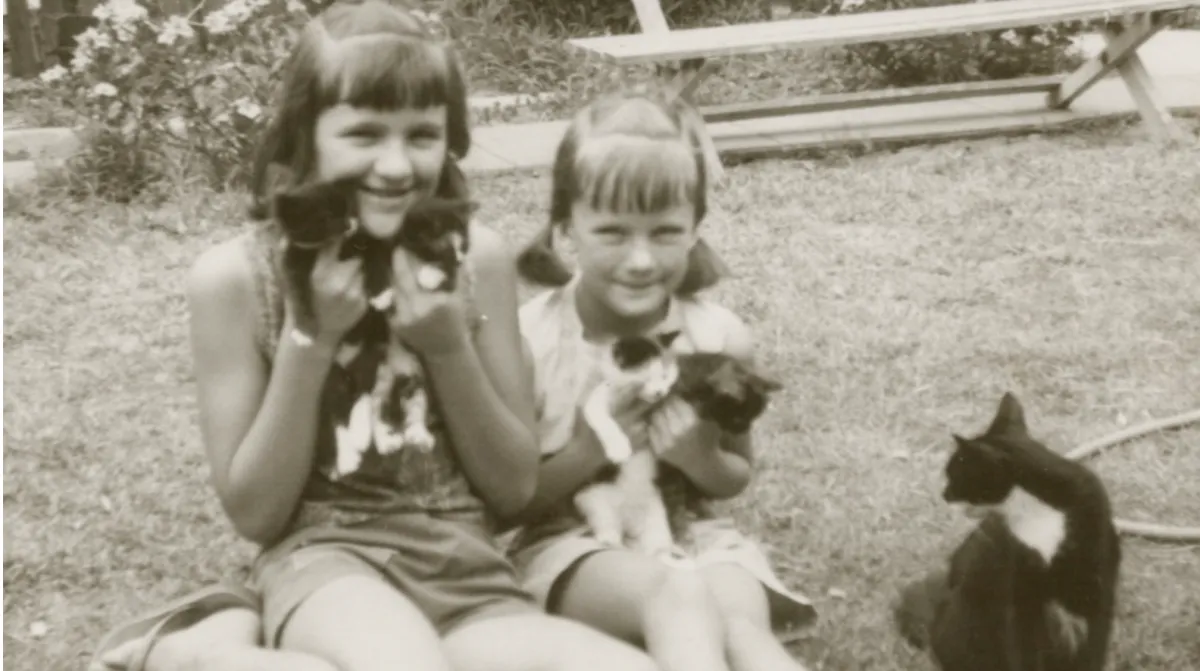
My love for animals began when I was a small child.
For as long as I can remember, animals were my closest friends, companions, and teachers. I felt deeply connected to them — as though I could see the world through their eyes. My parents would often find me lying in the dirt gazing into the eyes of our dog, crawling with the sheep, or galloping around the backyard pretending to be a horse.
Animals have always felt like home to me.
I began my professional life in the dental health industry, where I spent many years caring for people and supporting their wellbeing. But even though I loved helping others, I knew something was missing. Deep inside, I felt there was a greater purpose calling me.
That calling eventually led me from Perth, Western Australia, to Sydney — where I met one of the greatest loves of my life, a cat named Beau, and his sister Mattie.
Beau and I shared a once-in-a-lifetime bond. He opened my heart more deeply to animal communication and helped me understand the true purpose of my life.
For the past 24 years, I have worked professionally as an animal communicator, helping animals be heard and helping their people understand them with more clarity, compassion, and connection.
Animal communication became my full-time work, my business, and my way of life. It has given me fulfilment, freedom, flexibility, and the privilege of doing what I love most — communicating with animals.
Today, through the Animal Talk Animal Communication Practitioner Program, I teach others how to develop their own telepathic and intuitive connection with animals, so they too can give animals a voice and step into this work with confidence, ethics, and professional support.